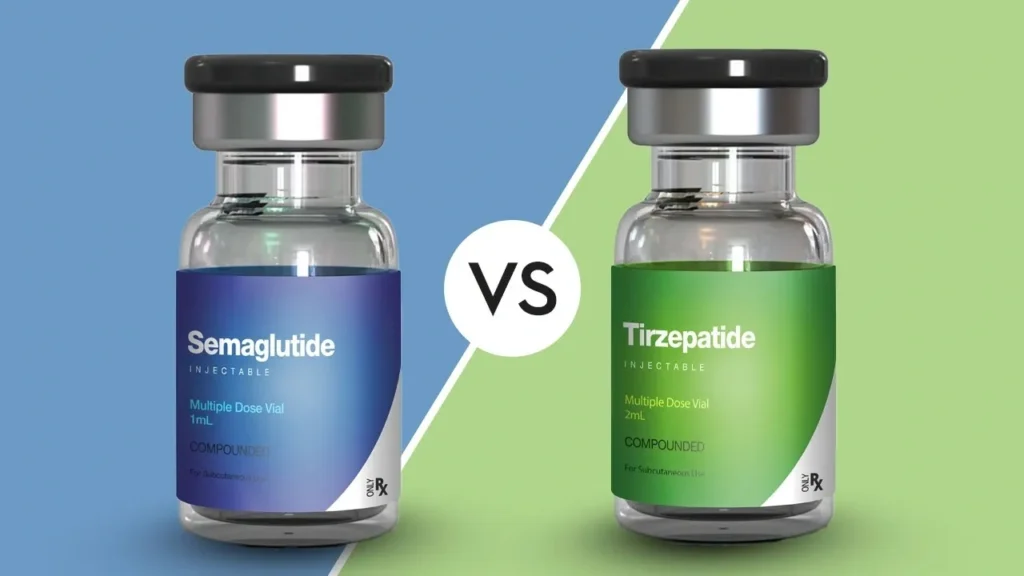
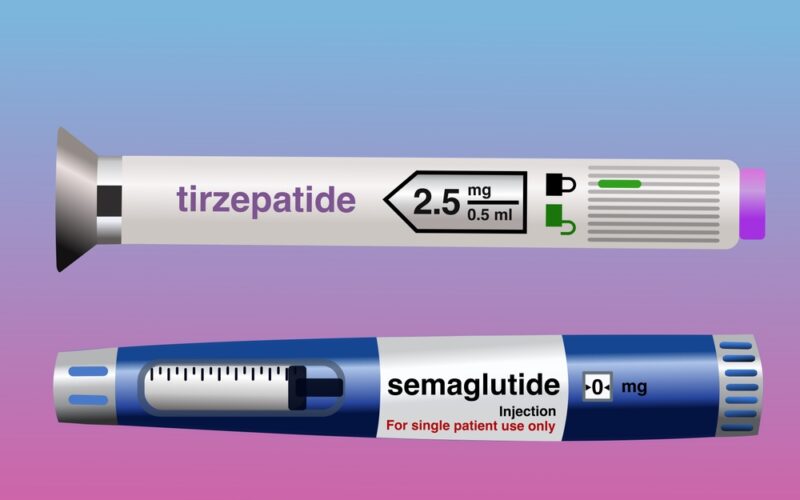
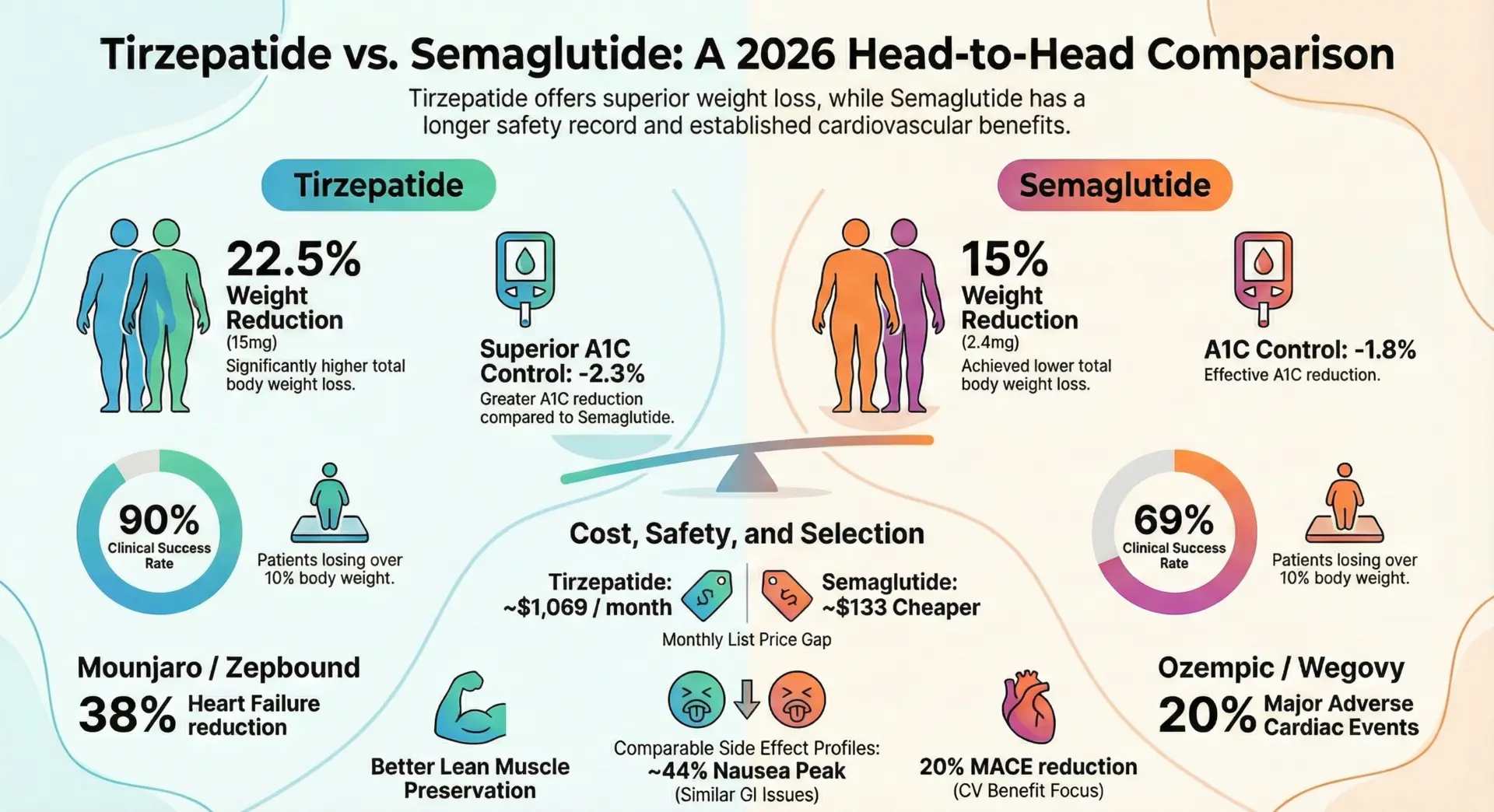
While the mechanism is plausible, the evidence does not yet exist to say what it does in people, at what dose, for what problem, or in which populations, especially in women
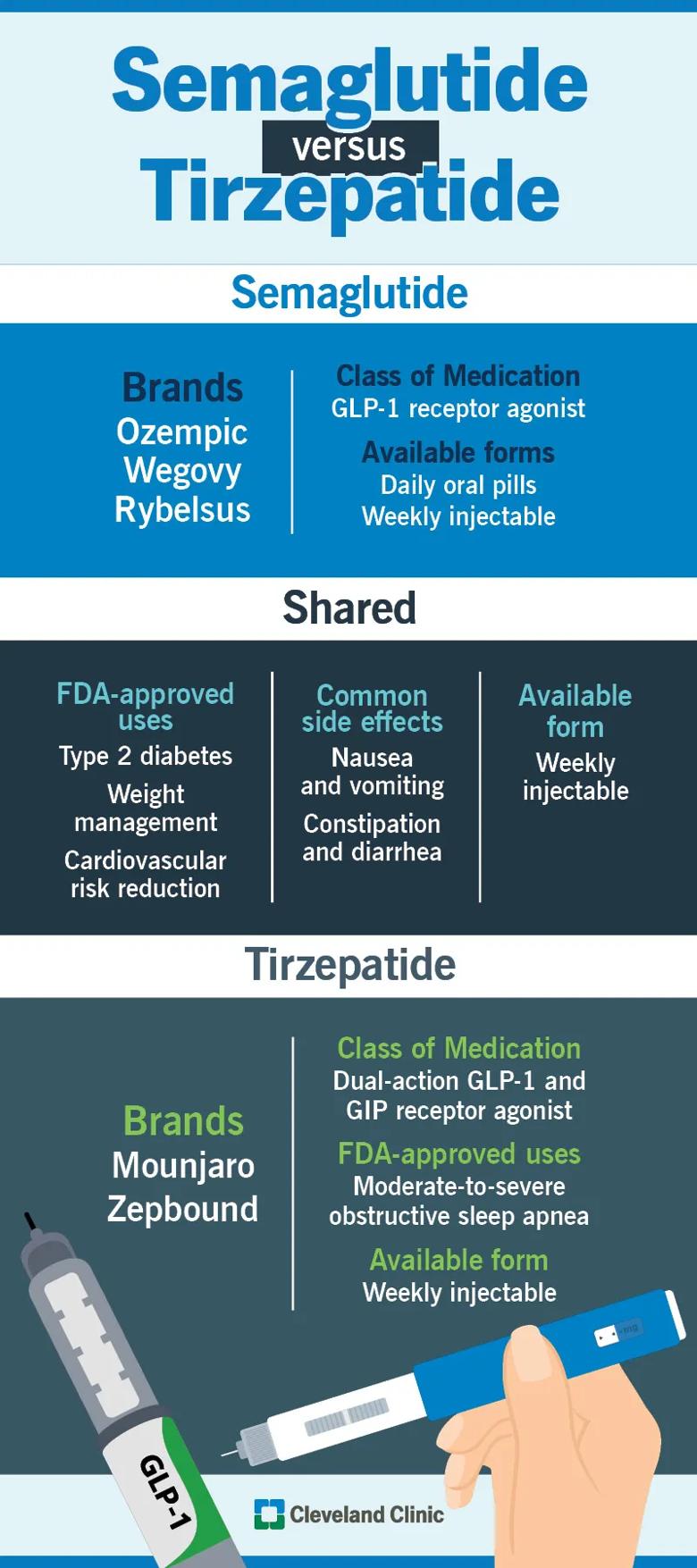
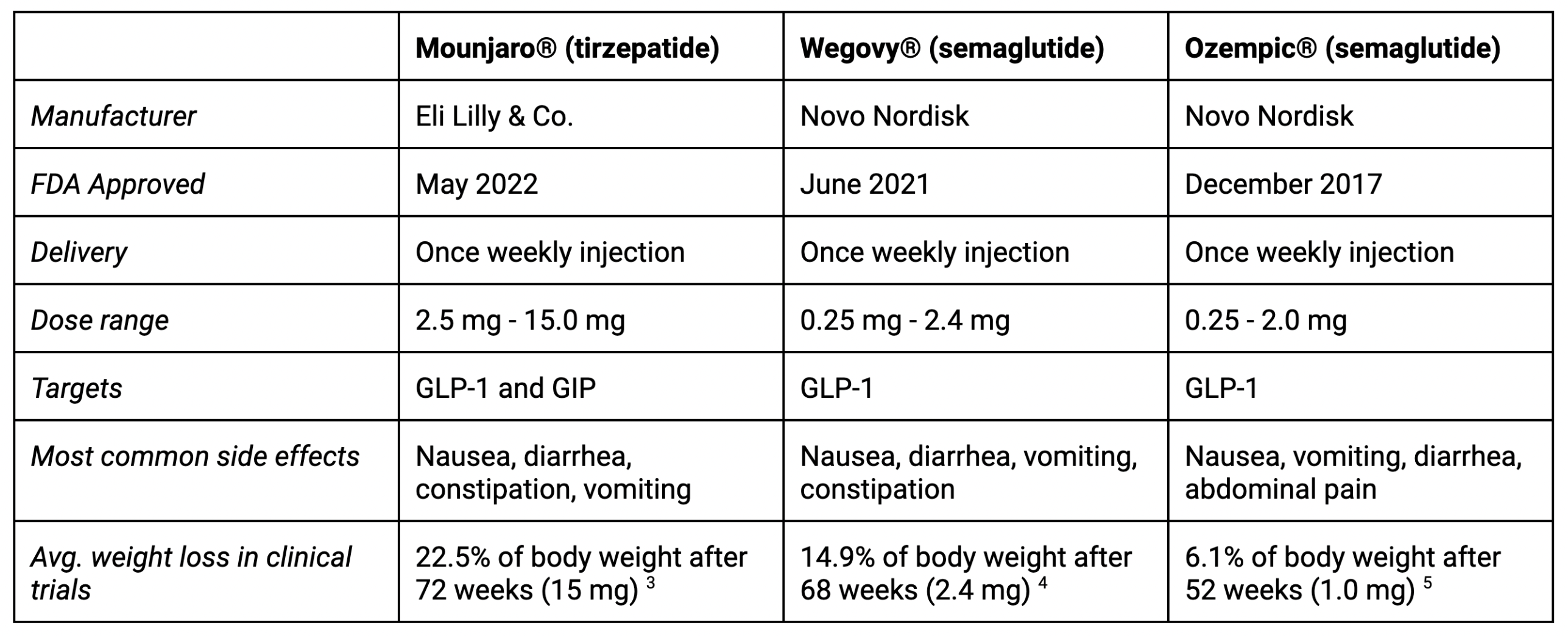
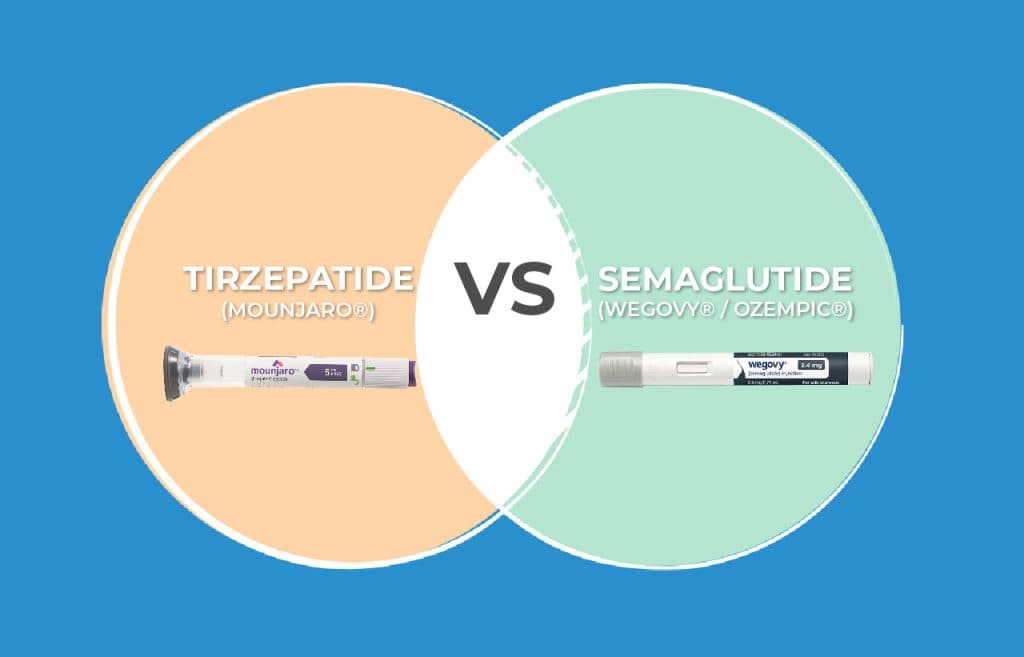
Comparison to semaglutide and tirzepatide Head-to-head effectiveness: Tesofensine advantages: Boosts metabolism (GLP-1s don't) Rapid onset ( hours vs days ) Less GI side effects (no nausea) Oral administration (vs injection for GLP-1s ) Cheaper (research chemical pricing) Tesofensine disadvantages: Cardiovascular risks (heart rate, BP) Stimulant-like effects (dependency potential) Not FDA approved (legal concerns) Limited long-term safety data Higher dropout rates in trials Why GLP-1s preferred clinically: FDA approved (safe, legal) Cardiovascular benefits (tesofensine has risks) Better long-term safety profile No dependency/tolerance issues More comprehensive clinical data When tesofensine might be considered: GLP-1 intolerance (severe nausea ) Desire for metabolic boost Research/experimental use only Combined with other interventions Under medical supervision Learn about semaglutide vs tirzepatide and best weight loss stacks

We now demonstrate that GIPR agonist administration critically relies on Gipr expression in the hindbrain, while GIPR antagonism relies on hypothalamic Gipr expressionboth are probably neuronal populations, given that we used hSyn-driven Cre-expression for the region-specific knockout studies
Many clients combine approaches sequentially or strategically (e.g., use GLP-1s for 612 months to reach a metabolic milestone, then taper while layering peptide protocols to support maintenance, sleep, and recovery)
Reducing exposure while maintaining effectiveness represents a reasonable risk reduction strategy for those concerned about theoretical cancer risk
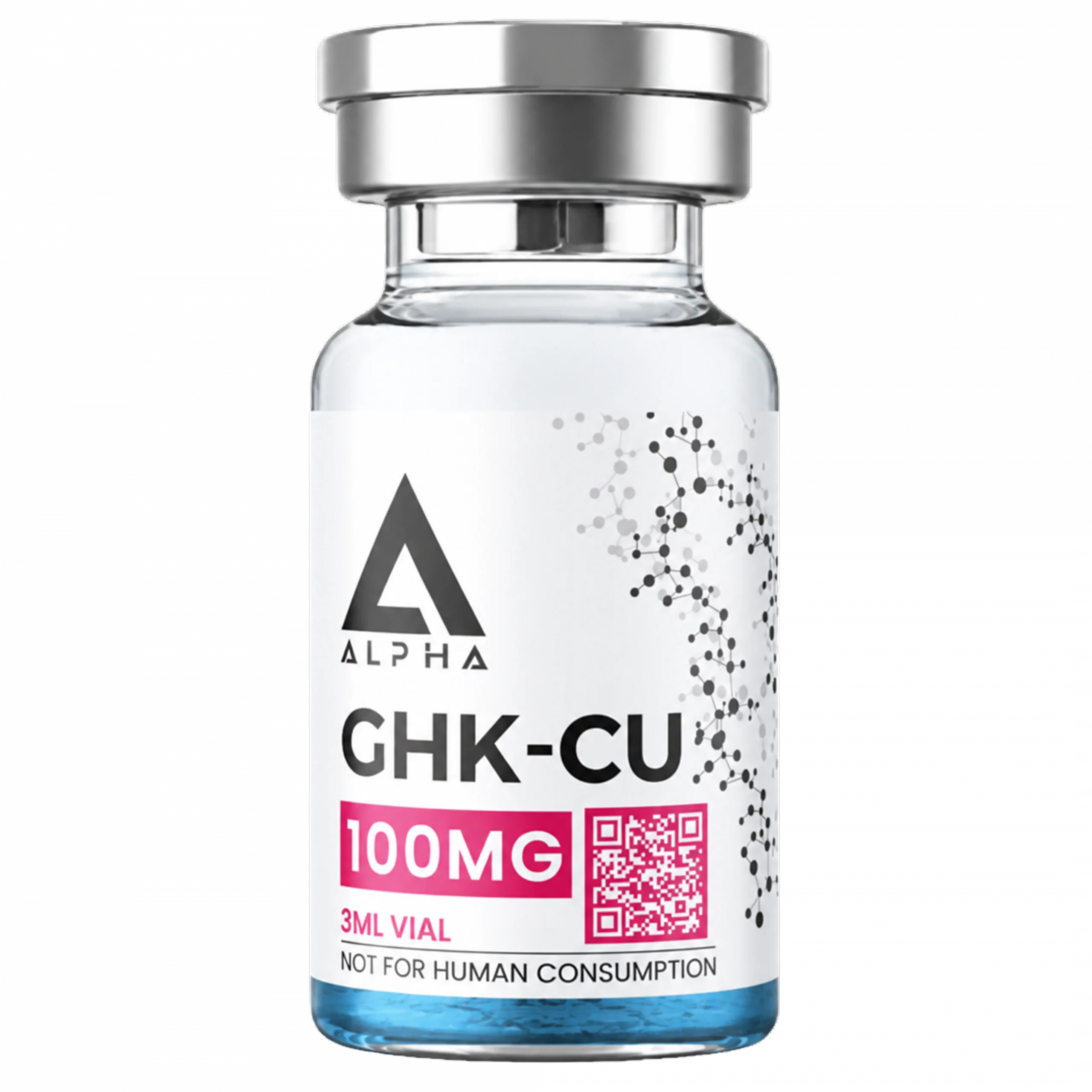
Not for human use, consumption, or therapeutic applications