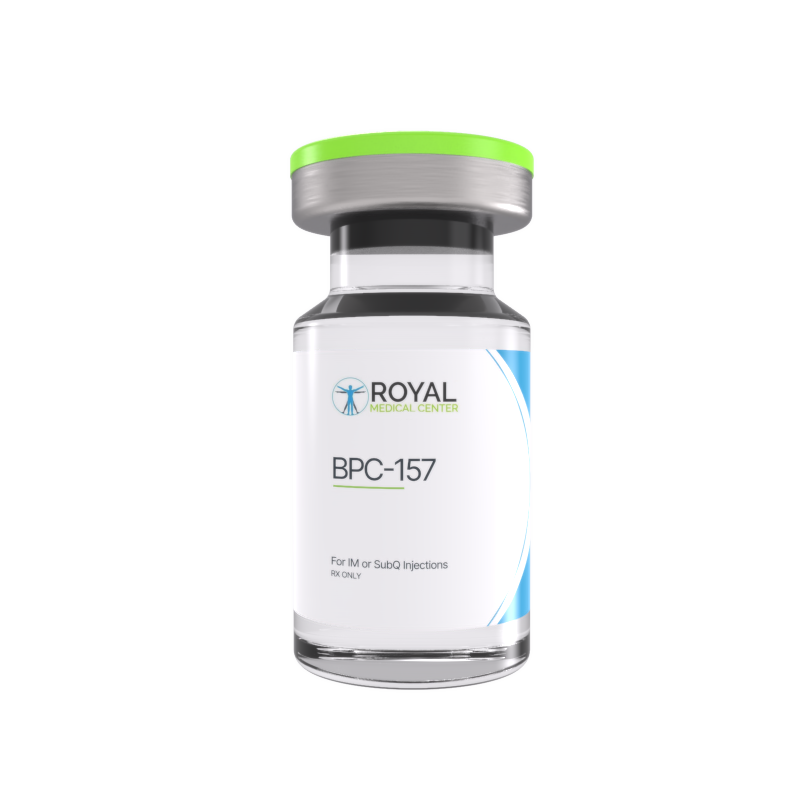
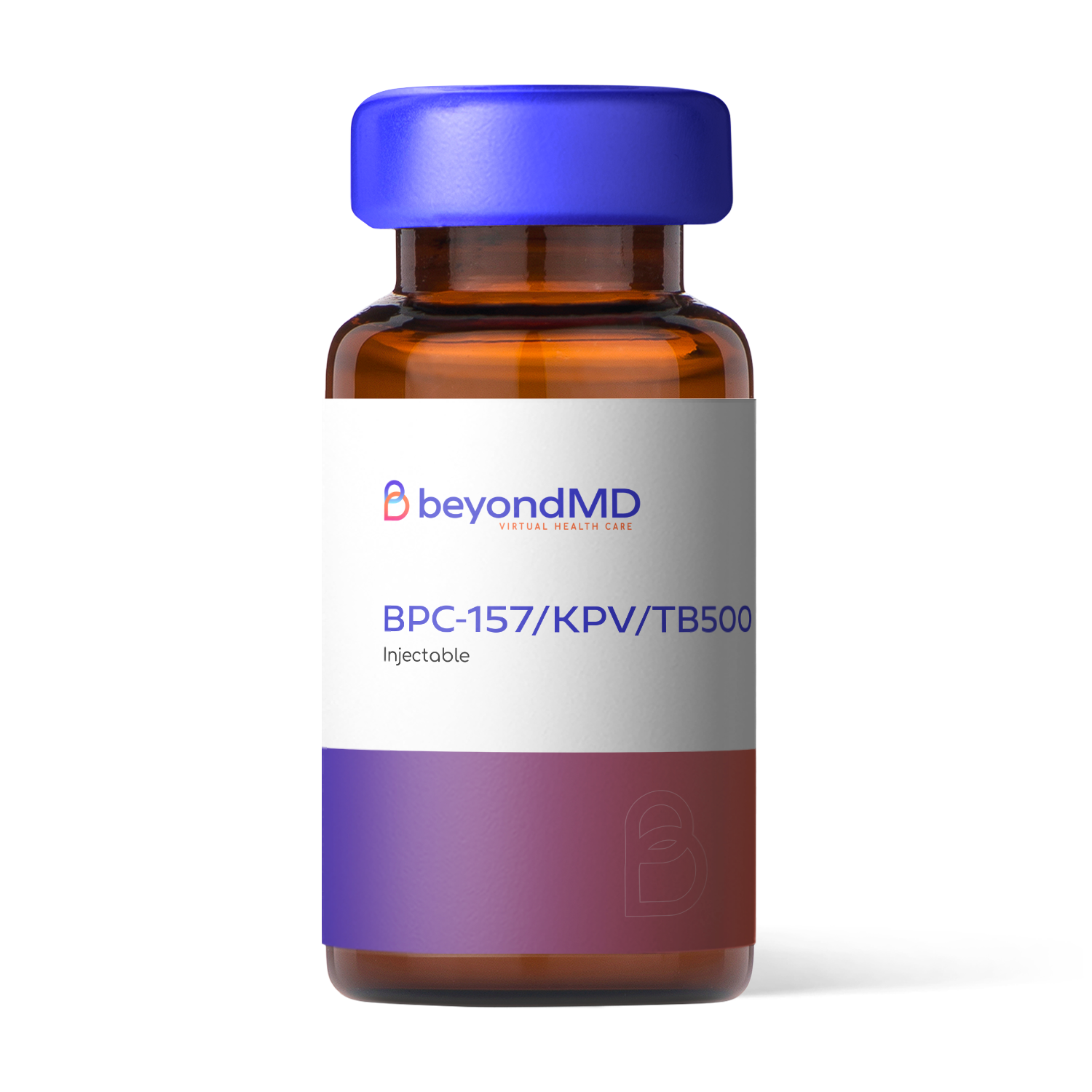
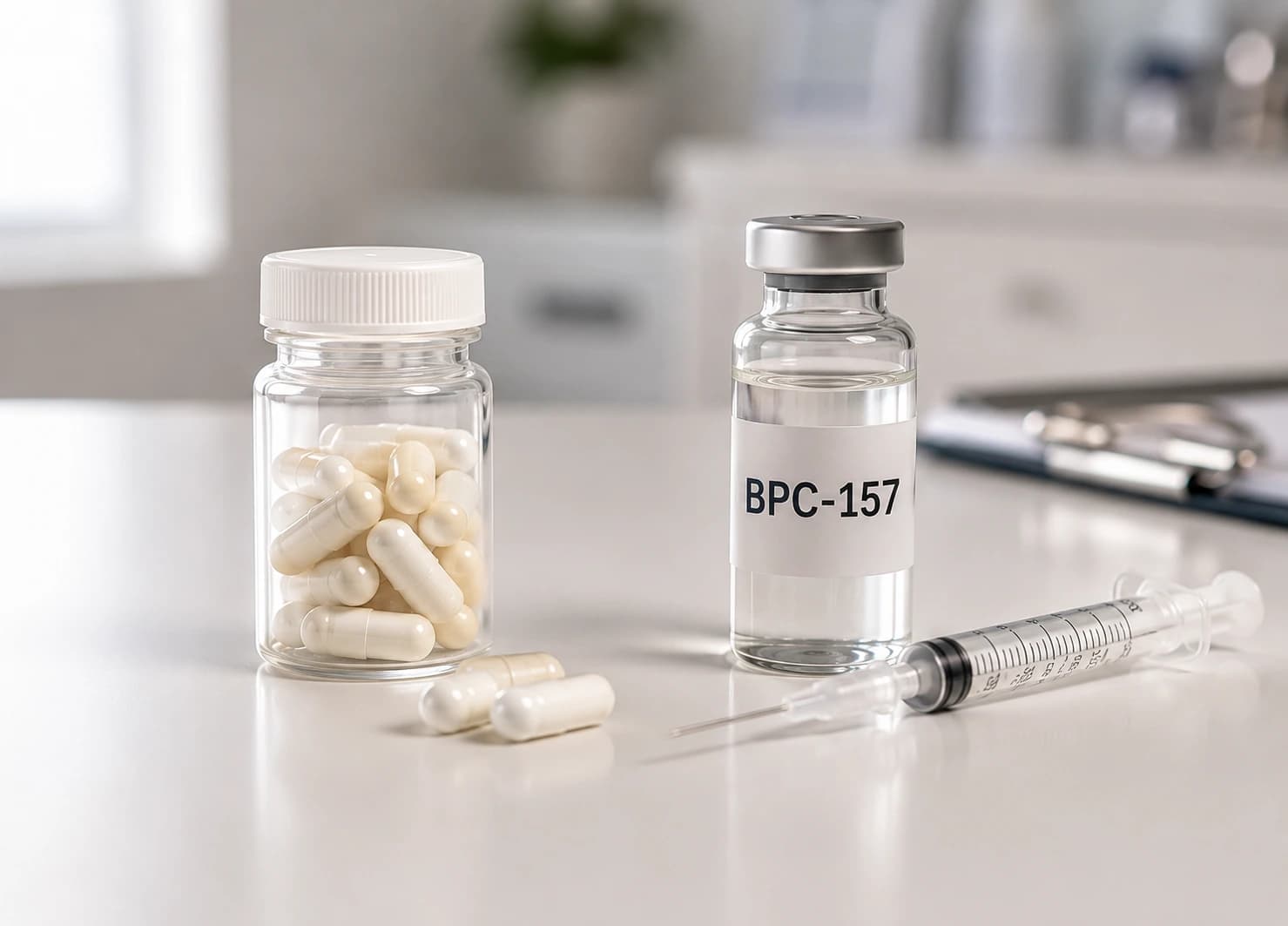
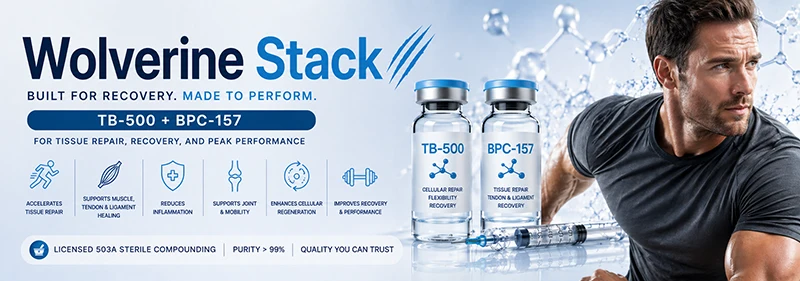
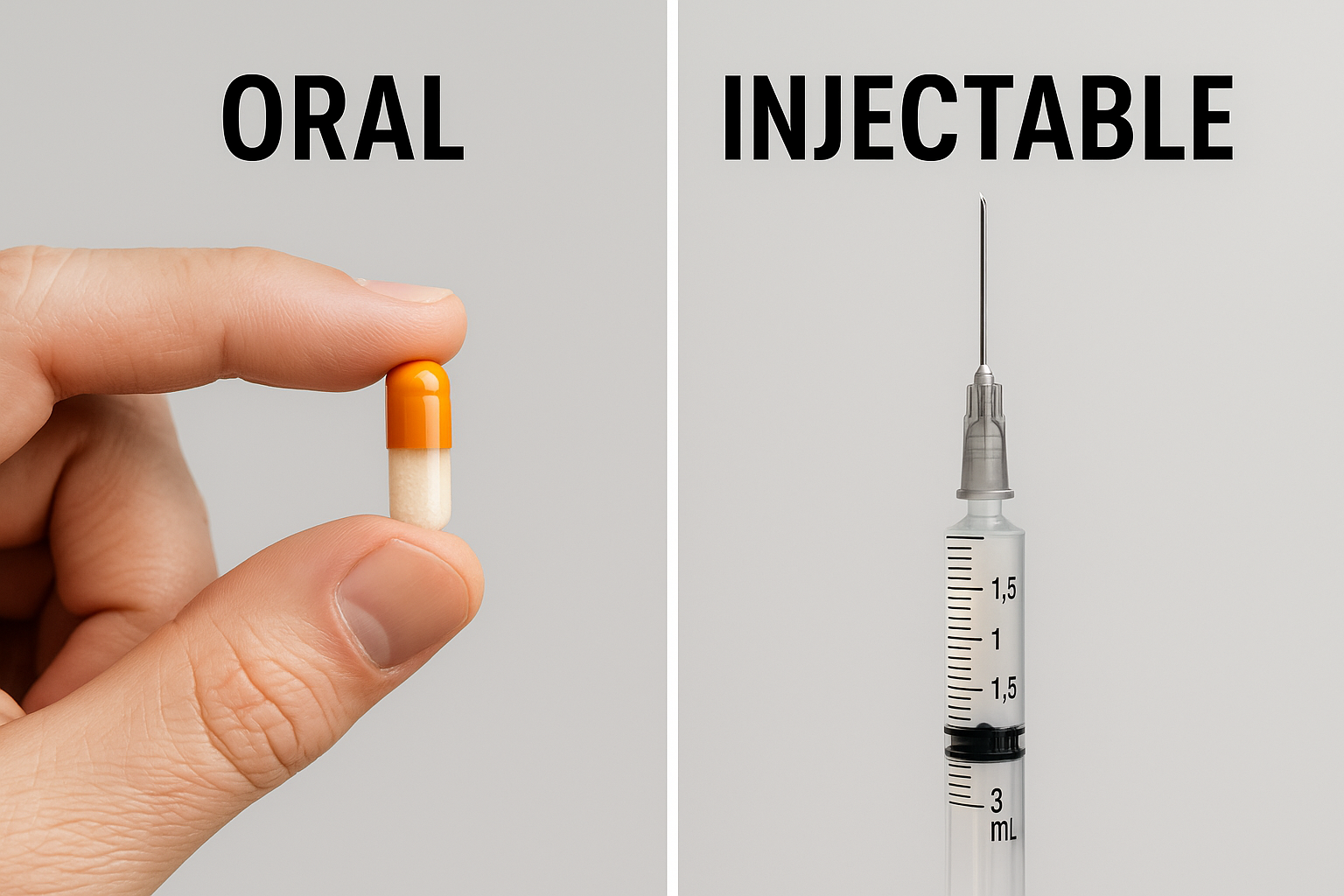
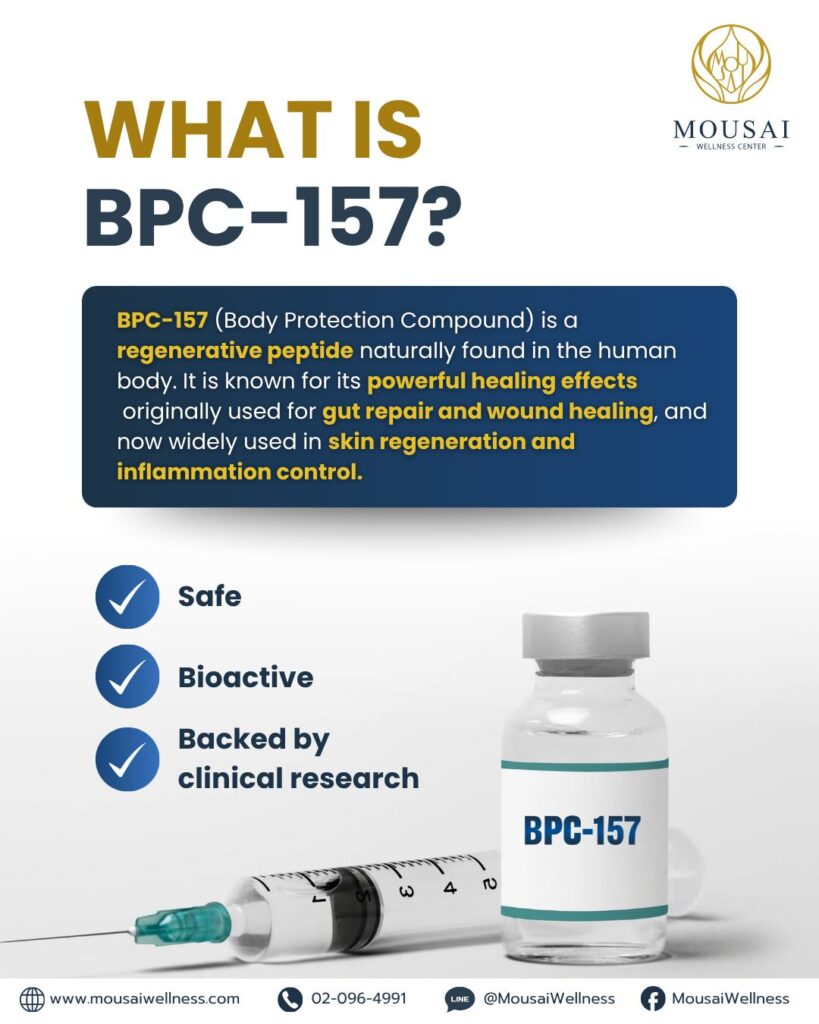
Potential Benefits of the BPC-157 + TB-500 Combination Patients and clinicians exploring peptide therapy often discuss this duo for goals such as: Supporting tendon and muscle regeneration Helping reduce inflammation in overused tissues Enhancing flexibility and mobility Accelerating recovery alongside physical therapy Providing adjunct support in orthopedic injury recovery It is important to emphasize that peptides are not a replacement for surgery, physical therapy, or medical treatment

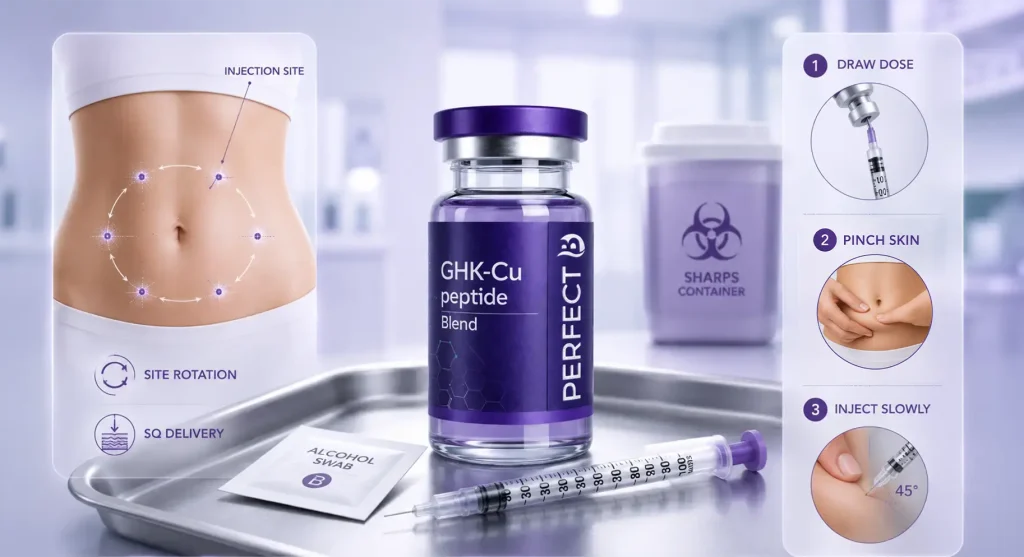
GHK-Cu Monitoring Schedule: Labs & Exams You Need At a glance Drug / GHK-Cu is a tripeptide-copper(II) complex first isolated from human plasma albumin Route / subcutaneous injection or topical (compounded under FDA section 503A) Baseline labs / serum copper, ceruloplasmin, CBC with differential, CMP including liver enzymes Recheck interval / 4 weeks after initiation, then every 8 to 12 weeks Normal serum copper / 70 to 140 g/dL (11 to 22 mol/L) Ceruloplasmin target / 20 to 35 mg/dL Liver enzymes / ALT and AST should remain below 2x upper limit of normal 24-hour urine copper / ordered if serum copper exceeds 155 g/dL on two consecutive draws Skin exam / baseline and every 12 weeks for subcutaneous injection sites Discontinuation trigger / serum copper above 200 g/dL or ceruloplasmin below 15 mg/dL How GHK-Cu Works: Mechanism Before Monitoring GHK-Cu is glycyl-L-histidyl-L-lysine bound to a single copper(II) ion

Dermal beta-catenin activity in response to epidermal Wnt ligands is required for fibroblast proliferation and hair follicle initiation
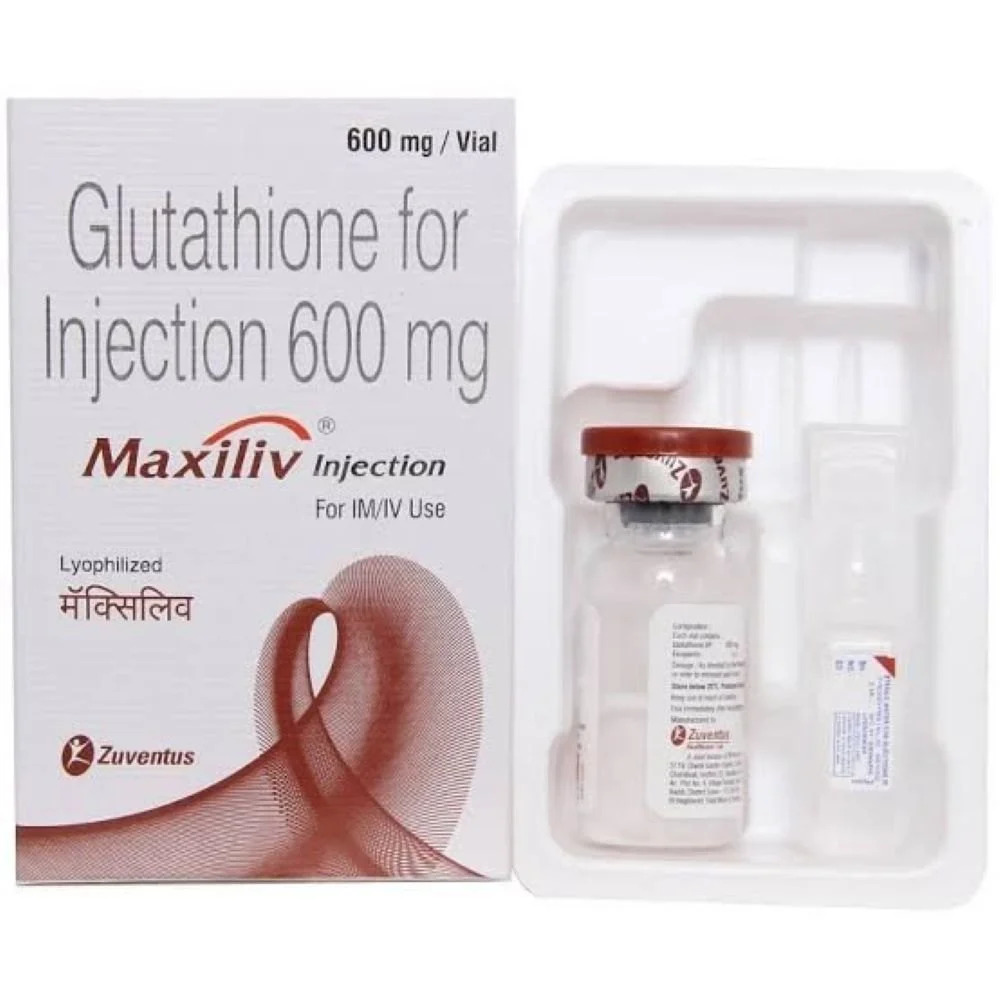
Powerful Antioxidant Support: Glutathione helps protect cells from damage caused by toxins, pollutants, and oxidative stress, keeping your body healthier
doi: 10.1016/j.cbpc.2007.04.010 54 SahooDKRoyABhanjaSChainyGBN
Reducing chronic inflammation in models of COPD and acute lung injury