otherwise 100,- Zone 1 (EU) including Switzerland and United Kingdom (GB): Belgium, Bulgaria, Denmark (except Faroe Islands, Greenland), Estonia, Finland (except land Islands), France (except overseas territories and departments), Greece (except Mount Athos), United Kingdom (GB, except Channel Islands), Ireland, Italy (except Livigno and Campione d'Italia), Croatia, Latvia, Lithuania, Luxembourg, Malta, Monaco, Netherlands (except non-European territories), Austria, Poland, Portugal, Romania, Sweden, Slovakia, Slovenia, Spain (except Canary Islands, Ceuta + Melilla), Czech Republic, Hungary, Cyprus/Republic (except northern part), including Switzerland Zone 2 (Europe excluding the EU): land Islands (Finland), Andorra, Albania, Armenia, Azerbaijan, Mount Athos (GR), Bosnia and Herzegovina, Campione d'Italia (IT), Ceuta (E), Faroe Islands (DK), Georgia, Gibraltar (GB), Greenland (DK), Guernsey (GB), Iceland, Jersey (GB), Canary Islands (E), Kazakhstan , Kosovo (Serbian province), Liechtenstein, Livigno (IT), Macedonia, Melilla (E), Moldova (Republic), Montenegro (Republic), Norway, Russian Federation, San Marino, Serbia (Republic), Turkey, Ukraine, Vatican City, Belarus, Cyprus/Republic (northern part) Zone 3 (World): Egypt, Algeria, Bahrain, Iran, Iraq, Israel, Yemen, Jordan, Canada, Qatar, Kuwait, Lebanon, Libya, Morocco, Oman, Saudi Arabia, Syria Tunisia, USA, United Arab Emirates Zone 4 (Rest of the world): All countries and territories not assigned to Zones 1, 2 or 3

Myostatin inhibitors block the action of myostatin and have been used therapeutically in muscle wasting diseases and also in the bodybuilding community
503A pharmacies are traditional compounding pharmacies that prepare medications based on individual patient prescriptions
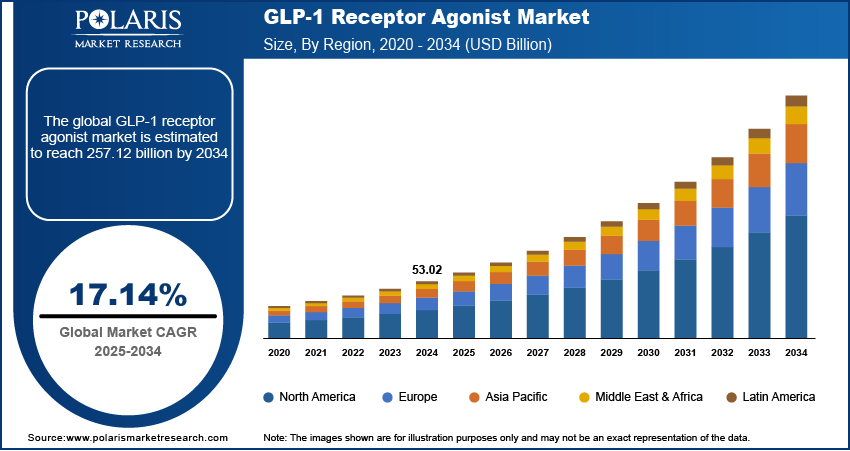
Growing pipeline of drugs: There is a robust pipeline of new medications being studied for the treatment of diabetes and obesity
Experts say the results point to the notion that the drug should continue to be used as directed, with close consultation from medical professionals
Another challenge is that the evidence is very limited to provide a basis for establishing pregnancy-specific dietary recommendations for B-vitamins to support successful pregnancy outcomes