Client Experiences I started GHK-Cu peptide therapy at MedLounge San Ramon because I was noticing thinning skin and early hair density changes
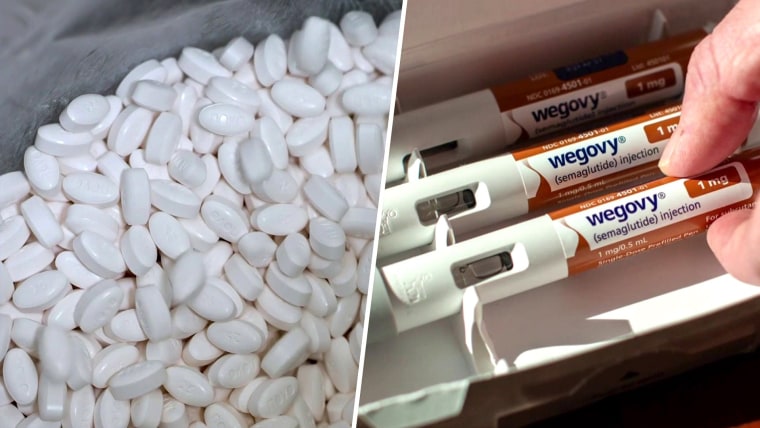
Phase 2 data showed ~14.7% weight loss, roughly comparable to the Wegovy pill, but without the lifestyle friction
Cholelithiasis (gallstones) was reported at low rates in the Phase 2 trial Incidence was slightly higher in higher-dose groups, though absolute numbers were small This observation is not unique to retatrutide semaglutide and tirzepatide trials also reported gallbladder events Cardiovascular Observations Heart rate changes were documented in clinical trial participants: Small mean increases in heart rate (2-4 bpm) were observed in active treatment groups This is consistent with GLP-1 agonist class effects semaglutide and tirzepatide produce similar heart rate increases No increased rate of major adverse cardiovascular events (MACE) was observed in Phase 2 TRIUMPH-4 is specifically designed to evaluate cardiovascular outcomes at scale Injection Site Reactions As a subcutaneous injectable, injection site reactions were reported: Injection site erythema, pain, and pruritus were documented at low rates Most injection site events were Grade 1 (mild) No injection site reactions led to treatment discontinuation in published data How Retatrutide Adverse Events Compare to Other GLP-1 Compounds Comparing adverse event profiles across different trials has significant limitations patient populations, dose ranges, and endpoint definitions vary

Why Relapse Happens After Discontinuation of GLP-1 Agonists The core issue is that obesity is a chronic, relapsing disease, not a temporary condition like a bacterial infection
At what dose is Compounded Semaglutide typically prescribed
#MDPI #OpenAccess #Biomedicines #Probenecid #OAT #Pannexin1 #TRPV2 #CentralNervousSystem #Neuroinflammation #Epilepsy #NeurodegenerativeDiseases To view or add a comment, sign in SURPASS-CVOT sets a new standard for type 2 diabetes outcomes trials by including an active comparator (dulaglutide) which has already been shown to be cardioprotective