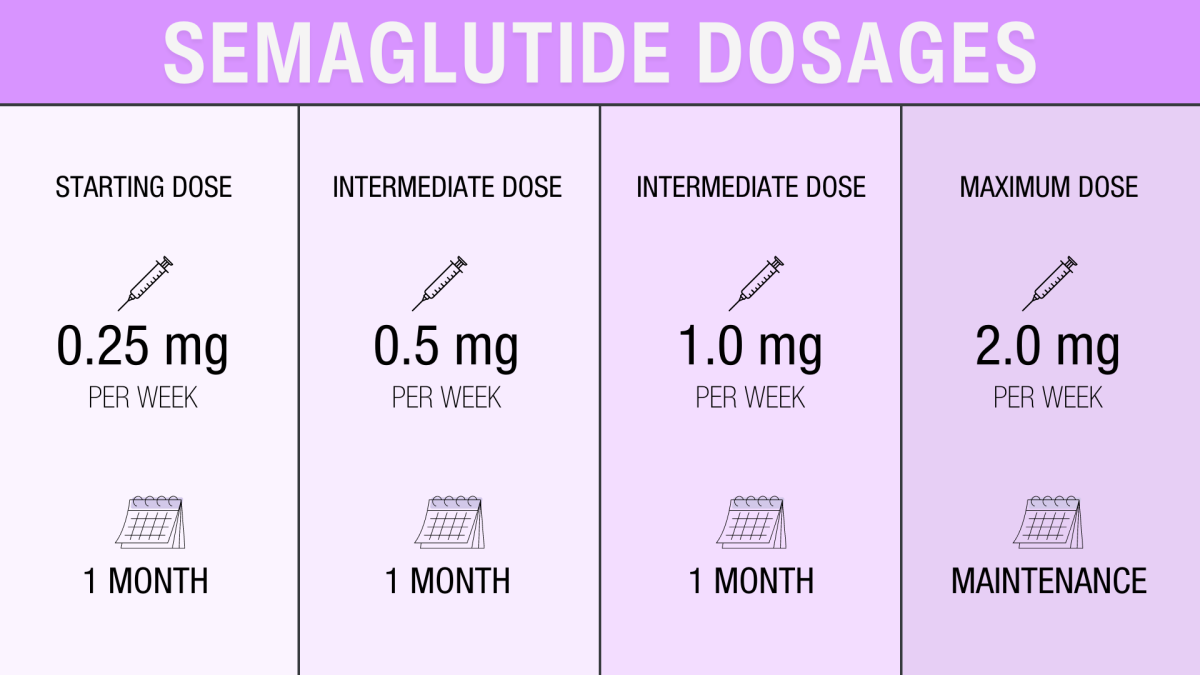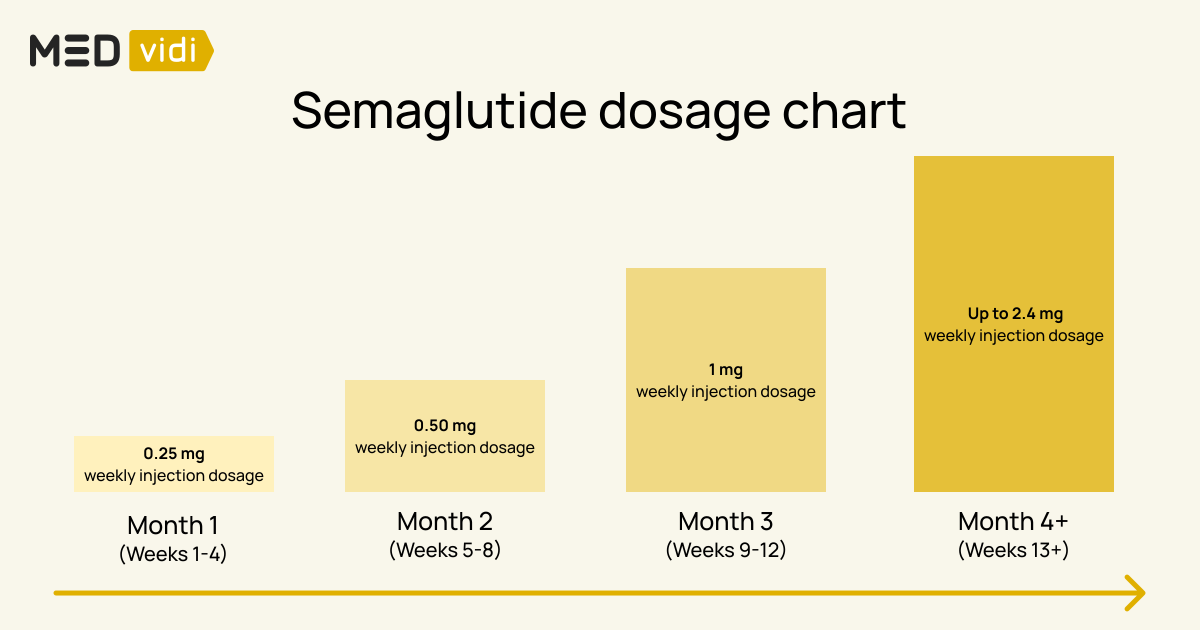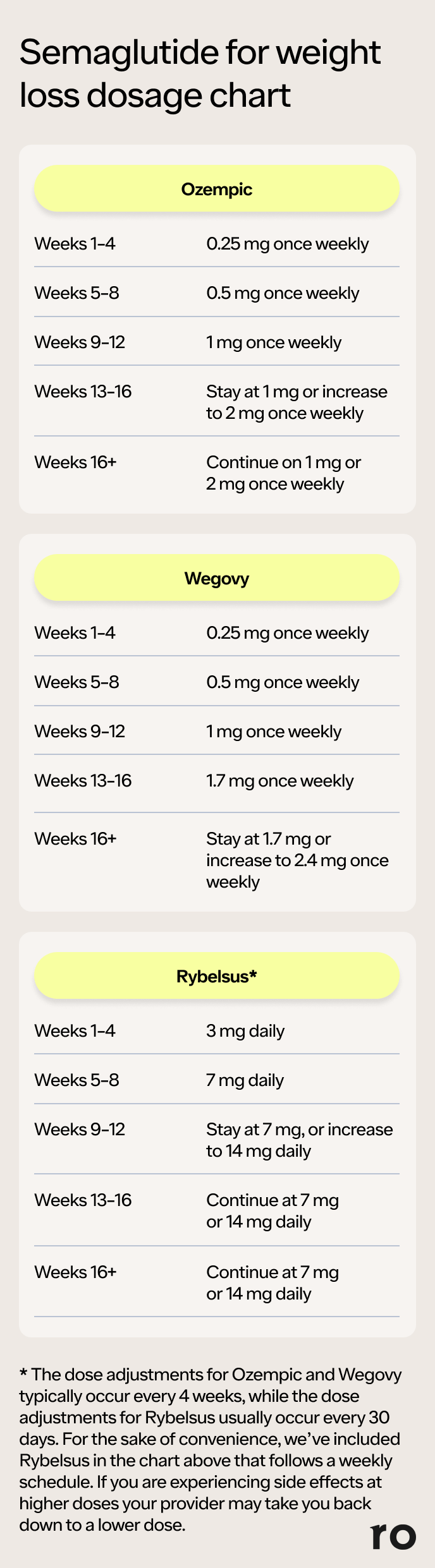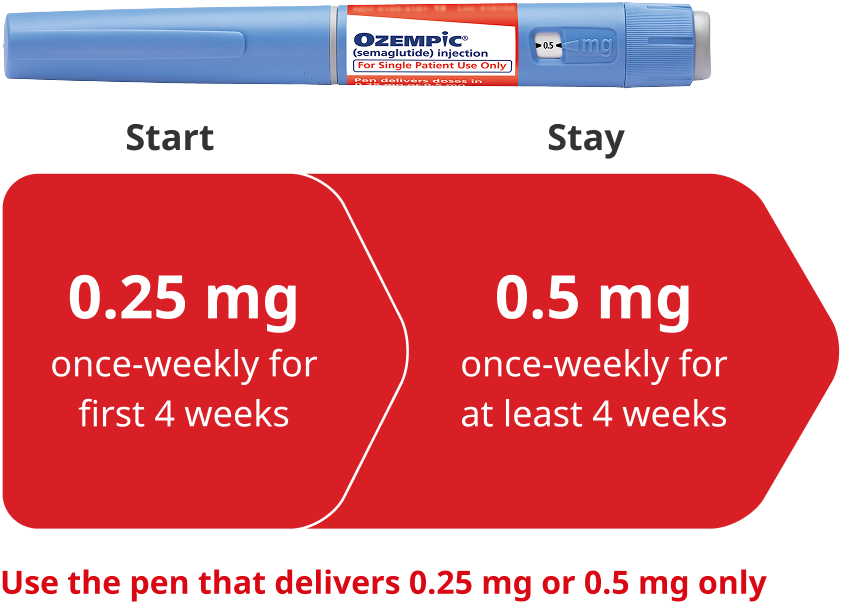

GLP-1 receptor agonists (such as semaglutide) mimic the GLP-1 gut hormone and act on GLP-1 receptors throughout the body, including the brain
From there each plan is designed from your data, whether that is cagrilintide alone, cagrilintide combined with a GLP-1 medication, or a broader plan that adds hormone optimization and nutritional support
doi:10.2165/00002512-200623100-00003
[2] This would be consistent with the odd clinical picture reported a compound that increased daytime alertness and performance in the same studies where it was said to improve night sleep [7] looks more like a modulator of state regulation than a sedative
This difference in mechanism is precisely why researchers became so interested in combining cagrilintide with GLP-1 therapy
ACA, given at doses of 25 and 50 mg/kg/day to the animal model, suppressed the IgE level and the infiltration of eosinophils in the lungs